


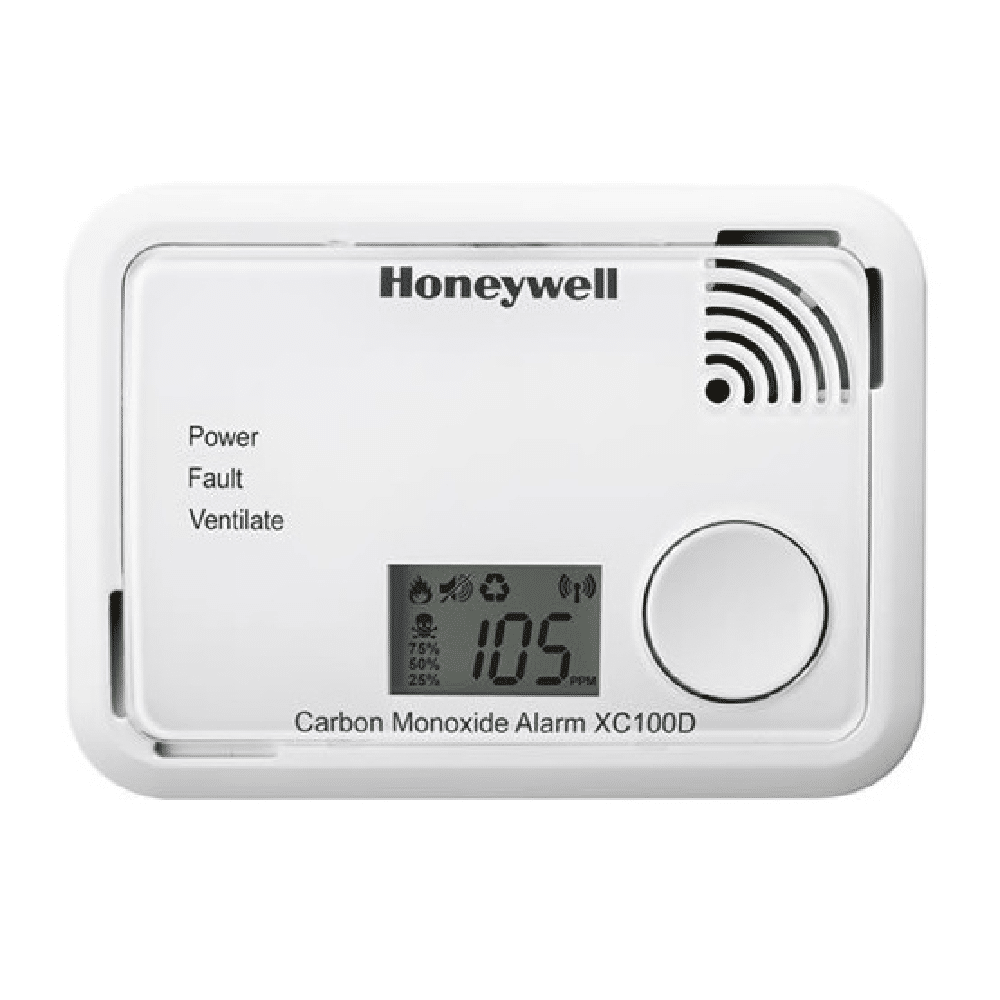


Description
Since 2018, a carbon monoxide detector must be installed in a living space where a gas appliance connected to a chimney has been installed. The detector is not mandatory if technical and structural measures have eliminated the formation of carbon monoxide and its entry into the room.
According to the legal act, a carbon monoxide detector must be installed in every living space where there is a gas appliance connected to a chimney. In particular, these include gas-powered water heaters.
However, it is reasonable to install a carbon monoxide detector in every living space where there is an appliance with a combustion process and where carbon monoxide may therefore also be generated and enter the indoor air. Even when using a solid-fuel heating appliance (stove, fireplace, etc.), carbon monoxide may enter the inhaled air in a concentration harmful to health or life-threatening.
Carbon monoxide: a person cannot perceive its presence by the senses. It is dangerous and affects a person’s quality of life even at low concentrations; a high carbon monoxide concentration is life-threatening even during a short stay, and a person may not realize that they are endangering their life and exposing themselves to health-damaging conditions.
Carbon monoxide poisoning can be mild and limited to headache, dizziness, fatigue, or flu-like symptoms. Prolonged exposure in an indoor space with a low carbon monoxide concentration may also increase the risk of, for example, heart attack and stroke, and impairs decision-making and concentration.
Inhaling air with a high carbon monoxide concentration, however, causes life-threatening and often fatal poisoning.
According to legal acts, the requirement to have a carbon monoxide detector must be fulfilled at the first opportunity, but no later than January 1, 2018.
Do not risk your family’s health; make sure to install a carbon monoxide detector!
